
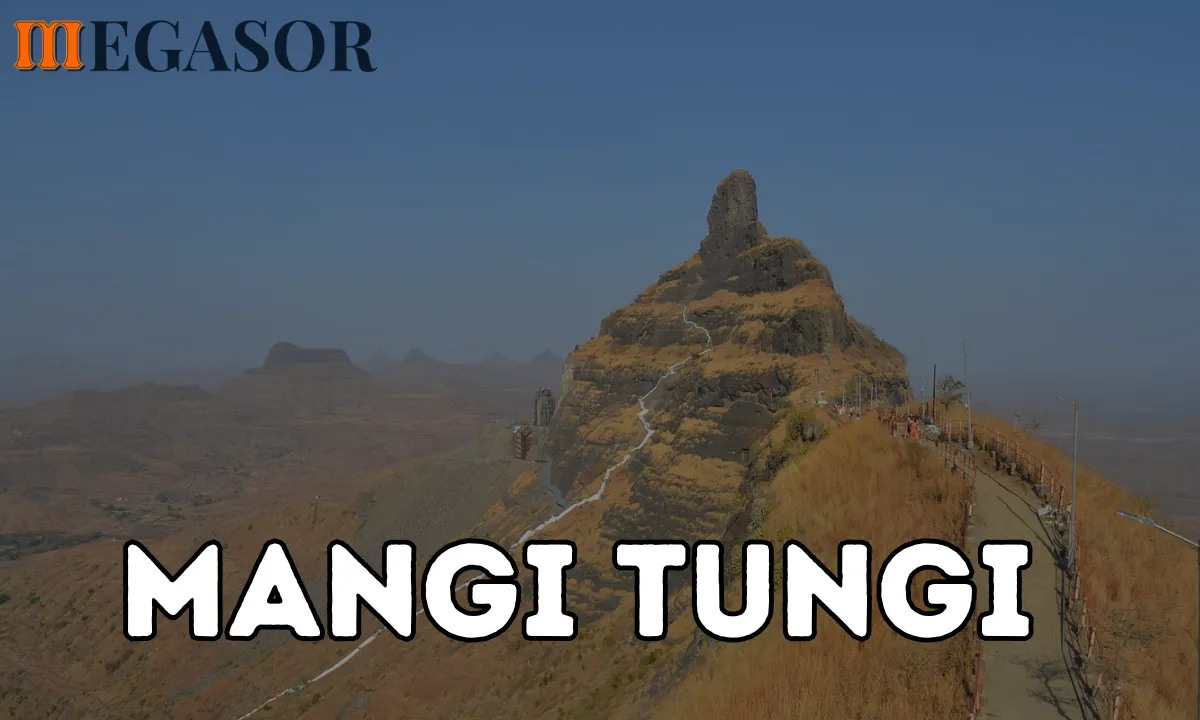
Mangi Tungi is a sacred place for Jain community. These sacred hills in Nashik have been a special part of Jainism because of its religious significance to Jains. The Mangi Tungi accommodates numerous ancient Jain temples and sacred statues. Famous for being ancient pilgrimage site, these hills are now counted as one of the most charismatic sites of Maharashtra. The temples and statues in Mangi Tungi honour the spiritual teachers in Jainism, being an important part of the Jain religion.
Location and Height of Mangi Tungi Hills
The sacred Mangi Tungi hills are located in Nashik district of Maharashtra. These hills are 4,343 feet tall. These hills are famous for the beautiful architectures of the ancient Jain temples and statues that are carved withing the rocks. The impressive artistry of the architectural genius of the temples and statues date back centuries. The trek to Mangi Tungi hills is not just a mere trekking journey, but it is a spiritual experience that touches people at every new step towards it.
Historical and Religious Significance of Mangi Tungi
Mangi Tungi is very important both historically and religiously. Being an abode for several ancient Jain temples, it attracts people because of its historical value and impressive architectures. Mangi Tungi is a twin-pinnacle peak, each pinnacle has its own importance. The western pinnacle is named Mangi and the eastern pinnacle is called Tungi. Both the peaks have many Jain temples carved into them, making them religiously significant.
Best Time to Trek on Mangi Tungi
Mangi Tungi being one of the most beautiful treks in Maharashtra, attracts many people who love trekking. It provides both natural and spiritual essence to the journey. The best time to trek in Mangi Tungi is between November and February. That is the time when the climate remains cool making the trek easy and enjoyable. Another time for trekking in Mangi Tungi would be after the monsoon season, as the hills turn lush green and it adds to the beautiful views.
Details of the Mangi Tungi Trek
Hill Height: 4,343 feet
Duration: 2-3 hours for one way trek
Difficulty Level: Moderate
Mangi Tungi hills stand tall at 4,343 feet, making the trek a 2-3 hours long way (for one way). The trek’s difficulty level is moderate; hence it is advised for trekkers with good fitness level to trek the hills.
Main Highlights of The Mangi Tungi Trek
The Twin-Pinnacle Peak:
Mangi Tungi is a twin-pinnacle peak, the two peaks have significance of their own. The western peak is called Mangi and the eastern peak is called Tungi. Both the peaks have several Jain temples carved into them, making the peaks important to the Jain mythology and history.
The Ancient Jain Temples:
Mangi Tungi is famous for its ancient Jain temples and statues that are carved within the hills, these statues signify the Tirthankaras in the Jain philosophy. The hills are believed to be the point where many ascetics got the universal knowledge. The hills are of great religious significance.
Statues of Lord Rishabhdeva (The Statue of Ahimsa):
The Statues of Lord Rishabhdev, the first Tirthankara of Jainism, is the central figure of the beautiful hills. Often called as the Statue of Ahimsa, this statue stands tall at a height of 108 feet. It is considered the tallest Jain idol in the world.
The Stone carvings and Architecture of the Temples:
The hills have a beautiful natural view, but adding to it lies the statues carved within the rock, dedicated to the Jain Tirthankaras. The statues and the temple architecturesare an ancient marvel.
The Scenic View of Nature:
The hills being 4,343 feet tall, give a beautiful and mesmerising view of nature. Adding on to its spiritual aspect, the natural views along the trek give a sense of calm and peace.
The Natural Caves of the hills:
The natural caves on the Mangi Tungi hills are also important sites related to its spiritual believes. The caves are believed to be the point of spiritual realization and the caves also were used by monks and ascetics for meditation. The caves symbolise the deep knowledge and universal realization the monks achieved.
The Annual Fair of The Mangi Tungi Hills
The Mangi Tungi hills get lit up by an annual fair in the month of Kartik (September-October). The fair is an attraction for many tourists and pilgrim, who come to experience the festivities and the spiritual essence of the place.
Tips for a Great Trekking Experience
- Carry all the essentials like first aid kit, water, snacks and dress lightly and comfortably to avoid any discomfort during the trek.
- Maintain decorum and respect the sanctity of the sacred place, enjoy the site seeing, but do not litter or avoid causing damage to the place.
- Start the trek in early morning to get enough time to explore the hills and immerse into the spiritual peace of the temples.
- It is important to navigate the trek properly, come prepared. You can hire a travel guide for a stress-free navigation through the hills.
- Visit the temples, as it the centre of attraction in the Mangi Tungi hills.
Conclusion
Mangi Tungi is not just a trekking area, but it is a whole spiritual experience. The hills are surrounded the beauty of nature and the peace of spirituality. Being one of the most important pilgrim sites for Jain community, it is of great religious and historical significance. The Mangi Tungi hills are not just trekking sites, it is a religious experience, that preserves the message of universal knowledge and self-realization within its heart.
