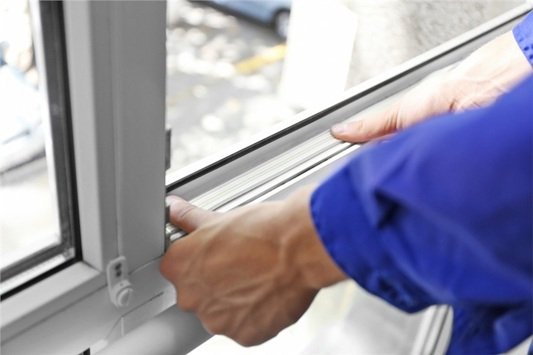
Replacing windows may seem like a significant undertaking, but it is one of the most effective ways to improve both the comfort and appearance of a home. Over time, windows can lose their efficiency, develop air leaks, or simply look outdated. A well-thought-out window replacement project improves natural light, strengthens insulation, and creates a healthier interior atmosphere. Hiring professionals for window installation ensures that each frame is sealed correctly, allowing the new windows to perform at their highest efficiency and provide lasting comfort. For homeowners considering this upgrade for the first time, understanding the process and the key decisions involved can make the experience smooth and rewarding.
Recognizing When It Is Time to Replace Windows?
Finding the indicators that the windows you currently have aren’t functioning well is the first step. If you feel drafts even when windows are closed, or if it becomes difficult to open and close them, this could indicate aging hardware or warped frames. Condensation between panes usually means the seal has failed, reducing energy efficiency. Increasing utility costs could also be an indication that your windows are letting warm air in during the summer and heat out during the winter. These signs suggest that replacement windows can significantly improve indoor comfort and reduce energy costs.
Choosing the Right Window Material
Window frames are available in several materials, each offering different benefits. Vinyl is a popular choice because it is low-maintenance and provides excellent insulation. It does not require painting or sealing and performs well in a variety of climates. Wood offers a classic and warm appearance that suits traditional homes, though it needs periodic care to protect it from moisture. Aluminum frames are durable and slim, often used in contemporary designs, but they conduct heat more easily and may require thermal breaks for efficiency. Fiberglass is strong and stable, resisting expansion and contraction over time, which contributes to long-lasting performance.
The material you select should be appropriate for the conditions of your area as well as your personal style choices.
Understanding Glass and Energy Efficiency
The type of glass used in your new windows is just as important as the frame. Double or triple glazing with insulating gas between the panes is a common feature of modern windows. This enhances energy savings and lessens heat transfer. Low-emissivity coatings, which reflect heat in the summer and retain warmth in the winter, can be applied to glass to help maintain consistent inside temperatures. Selecting the appropriate glass features helps create a comfortable home environment and can lower energy consumption throughout the year.
Selecting Window Styles That Suit Your Home
Window style influences ventilation, light, and aesthetics. Sliding windows provide wide views and are easy to operate. Casement windows swing open to allow strong airflow, which is useful in living areas and kitchens. Awning windows are appropriate for bathrooms and basements because they open outward from the bottom, allowing ventilation even in the event of rain. Picture windows do not open but allow maximum natural light and showcase outdoor scenery. Choosing styles that match the function of each room helps maximize both convenience and comfort.
Preparing for the Replacement Process
Once your choices are made, preparation makes installation easier. Make sure the space surrounding your windows is clear, both indoors and out. Take down any blinds, drapes, or other ornamental items that can block access. Installers typically work room by room, so organizing your space ahead of time helps speed up the process and protects your belongings. Professional installation ensures that windows are sealed properly, preventing air leakage and maintaining efficiency.
Enjoying the Benefits of New Windows
After installation, homeowners often notice an immediate difference. Rooms feel more comfortable with fewer temperature fluctuations. Outside noise is reduced, creating a quieter indoor atmosphere. Improved insulation can lead to more manageable utility bills. New windows also enhance curb appeal, making the exterior of your home look fresh and well-maintained. The result is a living space that feels brighter, more energy efficient, and more enjoyable throughout the seasons.
Window replacement may require planning, but it is a home improvement project that delivers long-lasting benefits. With thoughtful choices and professional installation, the process becomes straightforward and rewarding. For homeowners seeking greater comfort and visual appeal, new windows are a valuable investment in both daily living and long-term home value.