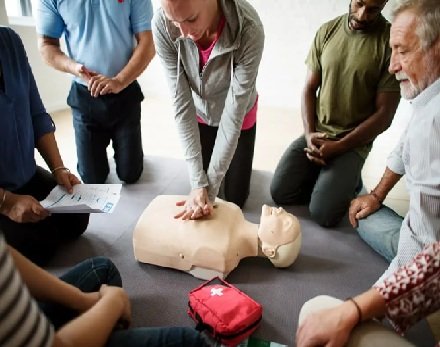
Emergencies often occur without warning, and the ability to respond quickly can make a meaningful difference in protecting someone’s health and safety. When a person experiences a sudden injury or medical issue, immediate action from those nearby can provide valuable support until professional help arrives. Many people develop these lifesaving abilities by learning first aid Hobart through professional training programs that focus on building practical response skills.
Why Quick Response Skills Matter?
During critical situations, delays in assistance can sometimes worsen the condition of the person in need. Quick and informed action helps stabilise injuries and ensures that the situation does not escalate further. People who receive first aid training learn how to identify emergencies and react appropriately in a matter of seconds.
Participants learn how to check breathing, identify signs of serious injury, and determine whether emergency services should be contacted immediately. These early decisions play an important role in managing a crisis effectively and ensuring the affected person receives timely care.
Developing Awareness In Emergency Situations
A key component of emergency response is awareness. People who have completed first aid training often develop stronger observation skills, allowing them to notice warning signs that others might overlook. Recognising symptoms such as confusion, sudden weakness, or breathing difficulties allows trained individuals to respond before the situation becomes more serious.
Through structured lessons and guided practice, training programs help participants understand how to assess both the injured person and the surrounding environment. This balanced awareness ensures that assistance is provided safely and responsibly.
Learning Practical Life Saving Techniques
First aid training focuses on practical techniques that can be applied during real incidents. Participants learn how to control bleeding, manage minor injuries, and support individuals experiencing sudden illness. Hands-on practice sessions allow learners to become familiar with these techniques so they can respond naturally during emergencies.
Many programs also include instruction in cardiopulmonary resuscitation. Completing a CPR course Hobart communities offer individuals the ability to assist someone whose breathing or heartbeat has stopped. CPR techniques help maintain circulation and oxygen flow until medical professionals arrive to provide advanced care.
Improving Confidence Under Pressure
Another important benefit of first aid training is the confidence it builds in participants. When people understand the correct steps to follow during emergencies, they are less likely to panic. Instead, they can remain focused and provide assistance in a calm and organised way.
Training sessions often involve simulated emergency scenarios where participants practice responding to different situations. These exercises allow learners to gain experience managing stressful conditions while applying the skills they have learned. Over time, this practice helps individuals develop the confidence needed to act quickly when real emergencies occur.
Supporting Safer Workplaces And Communities
First aid knowledge plays an important role in improving safety in workplaces and community environments. Accidents or medical emergencies can occur in offices, schools, construction sites, or public events. Having individuals who understand emergency response procedures helps ensure that immediate assistance is available when needed.
Many people choose to enrol in a First Aid Course Hobart training providers offer in order to prepare themselves for these situations. The knowledge gained during these courses helps participants contribute to safer environments where coworkers, friends, and community members can rely on one another during emergencies.
Encouraging Responsibility And Preparedness
First aid training also encourages a greater sense of responsibility toward the well-being of others. Individuals who have learned emergency response skills often become more attentive to safety risks and health concerns around them.
By recognising potential hazards early, they can take steps to prevent accidents before they happen. This proactive approach helps create safer homes, workplaces, and public spaces where people look out for one another.
A Skill That Makes A Difference
The ability to respond quickly during emergencies is a valuable skill that benefits both individuals and communities. First aid training equips people with practical knowledge that allows them to take action when someone requires urgent help.
By learning how to recognise critical situations and provide immediate assistance, individuals become better prepared to handle unexpected events. These skills not only improve personal confidence but also contribute to safer environments where people are ready to support each other when it matters most.