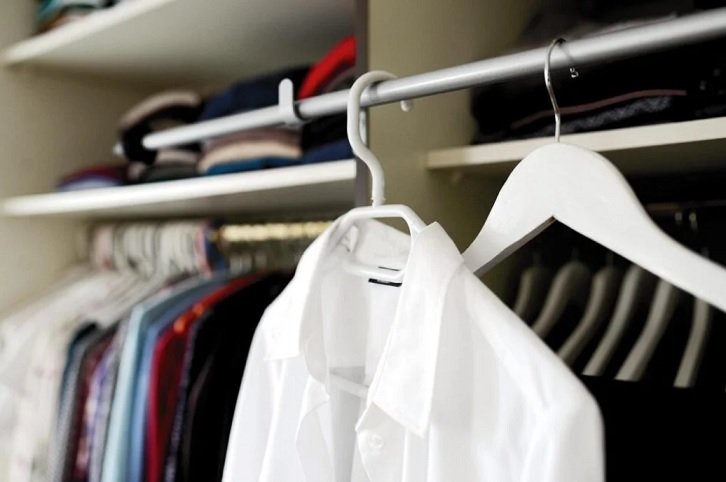
A wardrobe works best when structure supports daily habits. Trends fade, but friction stays when clothes compete for space, storage ignores routine, or choices overwhelm attention. Most style frustration comes from systems that no longer fit real life. These wardrobe hacks focus on clarity, usability, and consistency. Each one explains how small structural changes improve confidence, save time, and make style easier to repeat day after day.
Photograph Successful Outfits
Memory proves unreliable during busy mornings. Photos preserve combinations that already work and remove hesitation later. Over time, a personal archive reveals patterns in fit, color preference, and proportion.
This clarity resembles the appeal of a thimbles casino online game, where simple structure and clear outcomes allow fast, confident decisions without distraction. Visual certainty supports confidence in both cases.
Build Outfits, Not Individual Pieces
Individual garments promise flexibility, but flexibility requires effort. Complete outfits eliminate that effort. When tops, bottoms, shoes, and layers already work together, dressing becomes execution rather than problem-solving. This method also reveals wardrobe gaps more clearly. Missing pieces become obvious when an outfit feels unfinished, which prevents random purchases.
Keep “Almost Fits” Out of Sight
Clothes that nearly work carry hidden cost. A jacket that restricts movement or shoes that demand endurance pull attention away from the day itself. These items interrupt confidence and slow decisions. Moving them out of daily reach or removing them entirely protects focus. A wardrobe should confirm choices, not reopen negotiations each morning.
Use One Neutral Color as a Base
A dominant neutral creates structure. Black, navy, beige, or gray acts as an anchor that allows varied silhouettes, fabrics, and accents to coexist. With one base color, coordination becomes intuitive. The wardrobe gains cohesion without strict rules, and outfits feel deliberate rather than assembled under pressure.
Match Storage to Frequency of Use
Organization succeeds when placement reflects behavior. Clothes worn weekly deserve immediate access at eye level. Formal or occasional pieces can occupy secondary space. This approach removes reliance on labels or complex systems. When storage mirrors real habits, consistency follows with minimal maintenance.
Limit Statement Pieces Per Outfit
Visual clarity depends on restraint. One strong element gives an outfit direction. Multiple focal points compete and weaken the impact. Whether the statement comes from color, texture, cut, or accessory, limitation creates balance. Outfits feel composed and intentional instead of crowded.
Edit Before You Add
Buying new items often feels like progress, yet excess usually creates confusion. When too many pieces compete for space, strong garments lose visibility and weak ones gain influence. Editing removes distraction.
Clothes that no longer fit, feel comfortable, or suit current routines dilute decision-making. A reduced wardrobe sharpens judgment, speeds daily choices, and restores trust in what remains.
Store Complete Sets Together
Accessories lose purpose without context. Shoes, belts, and bags function best near the outfits they support. Storing complete sets together shortens preparation time and reduces mismatched styling. This method encourages repetition of reliable looks and limits last-minute improvisation.
Practical examples of complete sets include:
- Work outfit with shoes, belt, and bag stored nearby
- Evening look grouped with its outer layer and accessories
- Casual weekend outfit paired with everyday footwear
- Seasonal set that includes layering pieces.
Grouping items this way turns strong outfits into easy defaults rather than one-time successes.
Dress for Your Actual Life
A wardrobe should reflect lived reality, not aspiration alone. Clothes meant for rare occasions should not dominate the space reserved for daily activities. Honest assessment of work, errands, rest, and movement leads to better use and less frustration. Practical alignment strengthens confidence far more than fantasy dressing.
Rotate by Season, Not Mood
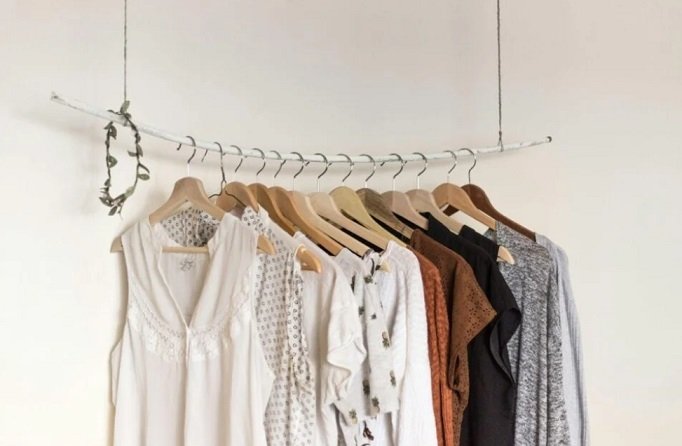
Seasonal rotation aligns the wardrobe with the environment and routine. Weather, movement, and daylight shape daily needs more consistently than impulse. Removing off-season clothes narrows choices and increases satisfaction with what remains visible. Every item feels relevant, which reduces the familiar sense of having nothing to wear.
Clarity Over Constant Change
Wardrobe ease comes from structure rather than accumulation. Editing excess, placing items with intention, and building repeatable systems reduce friction in daily dressing. These hacks favor reliability and calm over novelty. Style stays consistent when wardrobes reflect routine and systems support real habits.